⛽
Aims To Improve Fuel Economy
The OBD Fuel Saver plugs into your car's OBD2 port and is marketed to help optimise engine driving data so your vehicle uses fuel more efficiently on everyday trips.
Independent Product Review
The OBD Fuel Saver is a compact chip that plugs straight into your car's OBD2 port and claims to help your engine run more efficiently. We looked at how it works, what drivers actually report, and whether it is worth buying.
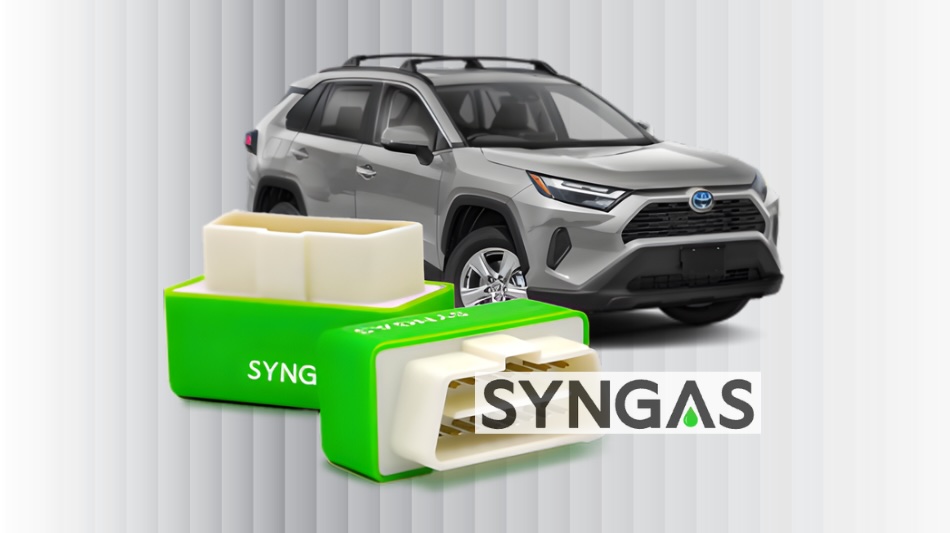
The OBD Fuel Saver plugs into your car's OBD2 port and is marketed to help optimise engine driving data so your vehicle uses fuel more efficiently on everyday trips.
No tools, no wiring, no mechanic. Locate the OBD2 port under the dashboard, push the chip in, and drive normally while it adapts to your driving style.
Works with most petrol and diesel cars, SUVs and light trucks built after 1996 that carry a standard 16-pin OBD2 diagnostics port.
Many reviewers report the car feels a little smoother off the line and less hesitant in stop-and-go traffic after a few hundred kilometres of use.
Compared with tuning boxes or workshop remaps, it is a single low-cost purchase with no subscription and no permanent modification to the vehicle.
Unplug it and your car returns to factory behaviour instantly, which is why cautious drivers consider it a low-risk thing to test.
Updated review · Rating 4.7 / 5 based on aggregated customer feedback
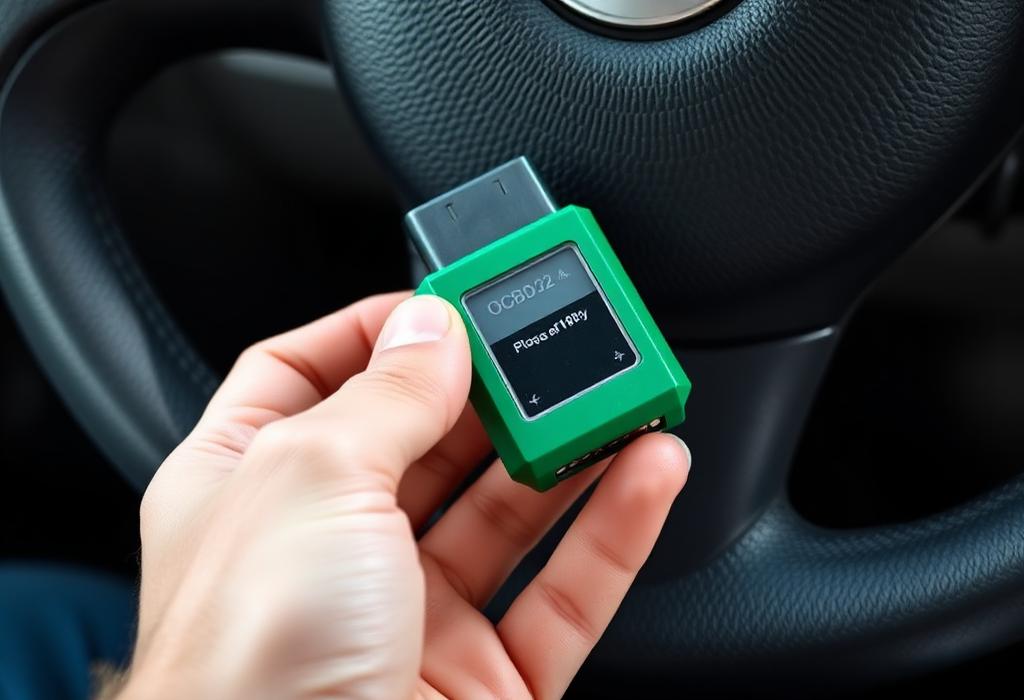
The OBD Fuel Saver is a small plastic module that connects to the 16-pin OBD2 diagnostic socket fitted to virtually every car sold since the late 1990s. That port is normally used by mechanics to read engine fault codes and live sensor data. The device sits in that port permanently and, according to the manufacturer, monitors engine data while you drive so the vehicle can settle into a more efficient operating pattern.
The marketing explanation is straightforward: the chip reads data from the engine control unit over the first few hundred kilometres, learns how you accelerate, cruise and brake, and then encourages smoother fuelling behaviour. Realistically, any gain you see comes from more consistent engine operation plus the fact that people who install a fuel-saving device tend to drive a little more gently afterwards. That behavioural change alone is worth several percent at the pump.
This is the part every reviewer agrees on. Turn the ignition off, find the OBD2 port (usually under the steering column or beside the fuse panel), push the chip in until it clicks, then turn the ignition to accessory position for around 30 seconds so the device powers up. Start the engine and drive as normal. There is nothing to configure, no app to install and no wires to cut.
Customer feedback clusters into three groups. The largest group reports a modest improvement — roughly one extra day between fill-ups on a regular commute, plus a slightly smoother throttle response in traffic. A second group notices no measurable change on the trip computer but keeps the device fitted because it costs little and does no harm. A small minority report no benefit at all. Anyone promising a 40% mileage jump is overselling it: treat single-digit percentage gains as the realistic ceiling, and measure over at least three full tanks before judging.
It suits high-mileage commuters and city drivers who want a cheap, low-risk experiment and are happy with a small gain. If your car already has a fault light on, or you expect dramatic transformation, spend the money on a service and a set of correctly inflated tyres first — those deliver guaranteed savings.
The OBD Fuel Saver is an easy, affordable and completely reversible add-on. Go in with grounded expectations — modest efficiency gains and a slightly smoother drive rather than a fuel-bill miracle — and most drivers find it a fair purchase, especially while the discounted offer is running.
Ready to try it on your own car?
Buy Now Limited Time Offer⭐⭐⭐⭐⭐"Easy to fit and I noticed I was filling up slightly less often on my daily commute."
⭐⭐⭐⭐⭐"Took about ten seconds to plug in under the dash. My RAV4 feels a bit smoother in traffic."
⭐⭐⭐⭐⭐"Not a miracle device, but for the price I'm happy with the small mileage gain I've seen."
⭐⭐⭐⭐⭐"I like that I can pull it out any time. No permanent changes to the car at all."
Join the drivers testing the OBD Fuel Saver while the limited-time discount lasts.
Buy Now Limited Time Offer